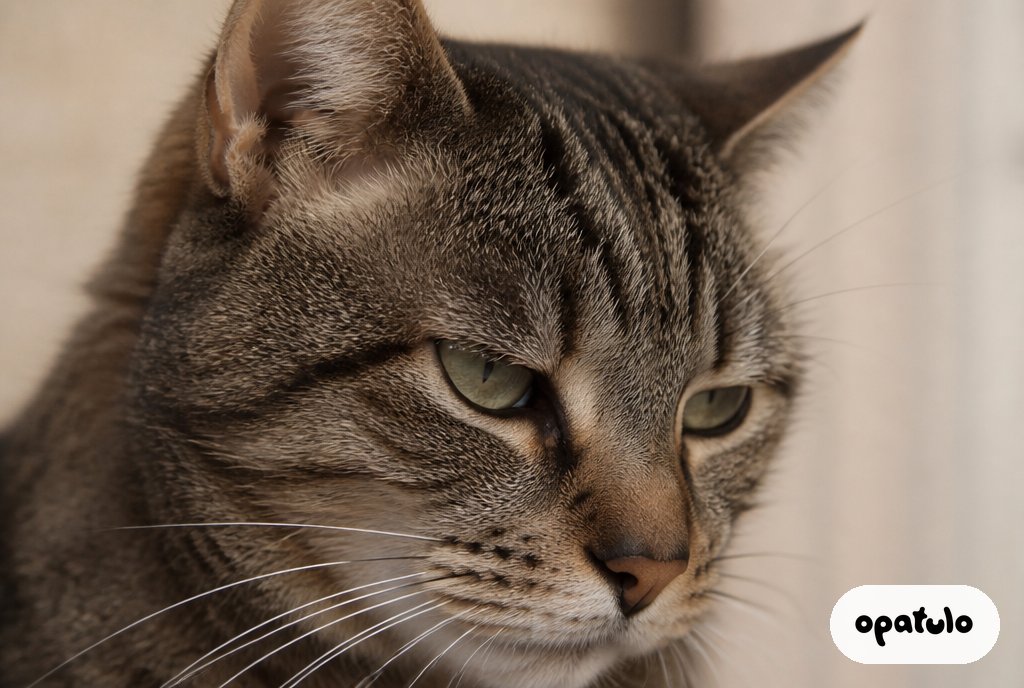
It is 9:40 pm. Your cat sits in the carrier, looking through you rather than at you, swaying slightly. The vet told you everything at the clinic – but of those five minutes you remember roughly nothing, because your head was busy with one thought: "please just let her wake up".
We know that feeling. So we wrote down everything that happens in the first 48 hours after spaying, neutering or any other planned surgery – hour by hour. What is normal, and what genuinely needs a reaction.
This article does not replace your vet's instructions – it fills in the gaps for those moments when you find yourself searching "cat crying after anaesthesia is it normal" at 2 am.
Hours 0–4: a pet that looks like it partied all night
Anaesthesia does not end at the clinic. During the first hours at home your dog or cat may:
- wobble on their feet and bump into furniture – normal,
- shiver – normal (often thermoregulation, not pain),
- meow, howl or whine "for no reason" – normal, the brain is still ringing from the medication,
- stare at the wall with glassy eyes – normal.
What should you do? Less than you think.
Prepare a bed on the floor. Not on your bed, not on the sofa. An animal after anaesthesia has the coordination of a tipsy student – jumping off the sofa can end with the stitches opening. A quiet spot, a warm blanket, dimmed lights.
Separate other animals. Even their best friend may not recognise the "patient" today because of the smell of medication – and may attack. A separate room for a day is not overprotectiveness.
Do not carry them around unnecessarily. Lifting under the front legs stretches the abdominal wall – exactly where the wound is.
Water and food: first a sip, then a spoonful
The order matters: water first, food later.
After coming home, offer a small amount of water and check that your pet swallows normally. Food – only a few hours later (if the surgery was in the morning, then in the evening), a small, easily digestible portion.
And now the important part: a lack of appetite during the first 24 hours after surgery can happen. The body is processing the anaesthesia, not dinner. But if after 24 hours your pet still is not eating or drinking, or is vomiting – stop waiting and call the clinic.
The wound: one lick is not "nothing"
Here we will be blunt, because this is where most complications happen – and almost all for the same reason.
A dog's or cat's tongue is not a "natural antiseptic". It is a brush full of bacteria that can inflame a wound in fifteen minutes and pull the stitches out within an hour. A large share of post-op complications are not the surgeon's fault – they are the result of one evening when "I took it off for a moment because he seemed so miserable".
You have two protection options:
The cone (the "cone of shame"). Effective but burdensome: it makes eating, drinking and sleeping harder, and for cats – using the litter tray. Some animals get used to it within a day or two, some fight it to the very end.
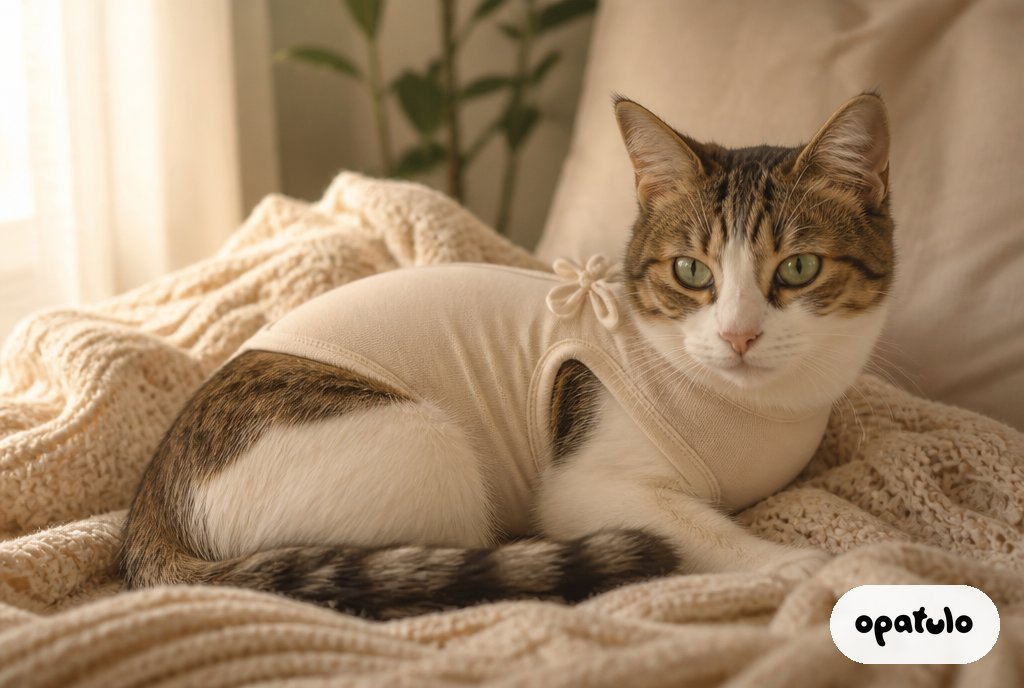
A post-surgery recovery suit. It covers the wound without restricting movement, eating or the litter tray. It protects the stitches not only from the tongue but also from dust and hair. Most animals accept it faster than the cone. The catch: it must fit well – too loose exposes the wound, too tight chafes.
Which to choose? If your pet tolerates the suit – the suit. If they still get to the wound despite it (some specialists manage) – the cone, or both. And the most important rule is: protection stays on until the stitches come out, usually 10–14 days. Not "until they stop being interested in the wound". Until the stitches come out.
Red flags: when you do not wait until morning
Slight redness and a little swelling around the stitches in the first days is normal. But you call the vet (or drive to the emergency clinic) when you see:
- bleeding from the wound that does not stop,
- growing swelling, strong redness, pus or a bad smell from the wound,
- apathy or lack of appetite lasting more than 24 hours,
- vomiting that keeps recurring after the first day,
- no urination for more than 24 hours,
- pale gums, fast shallow breathing, weakness – this may be shock, you go immediately,
- fever (in dogs and cats a temperature above approx. 39.5°C is a concern).
Save the number of your nearest 24-hour clinic before you need it. Seriously, do it now – it takes 30 seconds.
Cats: masters of hiding pain
A dog will usually show you something is wrong. A cat – the opposite: the more it hurts, the harder they pretend everything is fine. Evolution taught them that showing weakness is dangerous.
So with a cat, watch the small things:
- sitting hunched with paws tucked under, longer than usual,
- squinting differently than when content – with a tense face,
- stopped grooming (or obsessively licks one spot),
- hiding in places they never used to sit.
If anything from this list lasts longer than a day – call your vet. We wrote a separate guide on how cats mask pain and how to decode it: How to tell your cat is in pain.
Days 3–14: the hardest stage, also known as "he is fine now"
Around day three most animals feel great and start demanding their normal life back. This is the most treacherous moment of the whole recovery – the wound looks good, the pet is bouncing around, so the caregiver's alertness switches off.
Meanwhile, the tissues under the skin heal more slowly than the skin itself. Until the stitches come out:
- dogs: walks on the lead only, short, no doggy friends,
- cats: no going outside and, as far as possible, no jumping onto high shelves (yes, we know, good luck – but at least block the favourite wardrobes),
- no baths and no soaking the wound,
- a daily glance at the stitches: 20 seconds in the morning, while feeding.
Fridge cheat sheet
The key rules from this guide on one page – print it and stick it on the fridge.
- Day 1: bed on the floor · water first, then a small portion of food · recovery suit or cone at all times · other animals separated · wobbling, shivering and "crying" after anaesthesia are normal.
- Day 2: appetite should return · if your pet still is not eating or drinking, vomits or does not urinate – call the clinic.
- Until the stitches come out (10–14 days): wound protection non-stop · minimal activity · daily stitch check · with bleeding, pus, growing swelling, fever or apathy – you do not wait, you call.
This guide was written at Opatulo. We sew post-surgery recovery suits and help caregivers through the harder moments of caring for their pets.
See our recovery suits